Hibachi At Home for Private Parties and Special Events
The Complete Guide to Booking a Mobile Hibachi Grill Experience
AZ Hibachi Catering Ideas for Birthdays Corporate Events and Celebrations
Why Choose At Home Hibachi Near Me for Your Next Celebration
Hibachi Mobile Menu Guide for Parties and Special Events
There is something magical about the sizzle of a hibachi grill, the theatrical toss of a spatula, and the aromatic steam of garlic butter hitting hot metal. While many associate hibachi with a night out at a Japanese steakhouse, bringing that experience home is not only possible—it can be even more memorable. Whether you are hosting a birthday celebration, a family dinner, or simply craving a fun culinary adventure, planning a hibachi at home requires careful thought, the right tools, and a dash of showmanship. In this guide, we will walk you through every step, from equipment to ingredients to atmosphere, so you can create a restaurant-quality hibachi experience in your own backyard or kitchen. And when you need expert support, professional service providers like Hibachi AZ are here to help you elevate your event.
Before you fire up the grill, it is essential to understand what makes hibachi dining unique. Originating from Japan, modern hibachi in the West often refers to a teppanyaki-style cooking where a chef prepares food on a flat iron griddle right in front of guests. The experience is interactive, visual, and social. The chef flips shrimp tails into their hat, creates a flaming volcano from an onion ring, and engages the crowd with jokes and tricks. The food itself is simple yet flavorful: grilled steak, chicken, shrimp, fried rice, vegetables, and dipping sauces.
When planning your own at-home hibachi, you are not just cooking a meal—you are putting on a show. The success of your event hinges on three pillars: equipment, ingredients, and performance. With the right preparation, anyone can become a hibachi chef for a night. And if you prefer to leave the cooking to a professional, companies like Hibachi AZ offer mobile hibachi chefs who bring the full experience to your home, complete with grills, ingredients, and entertainment.
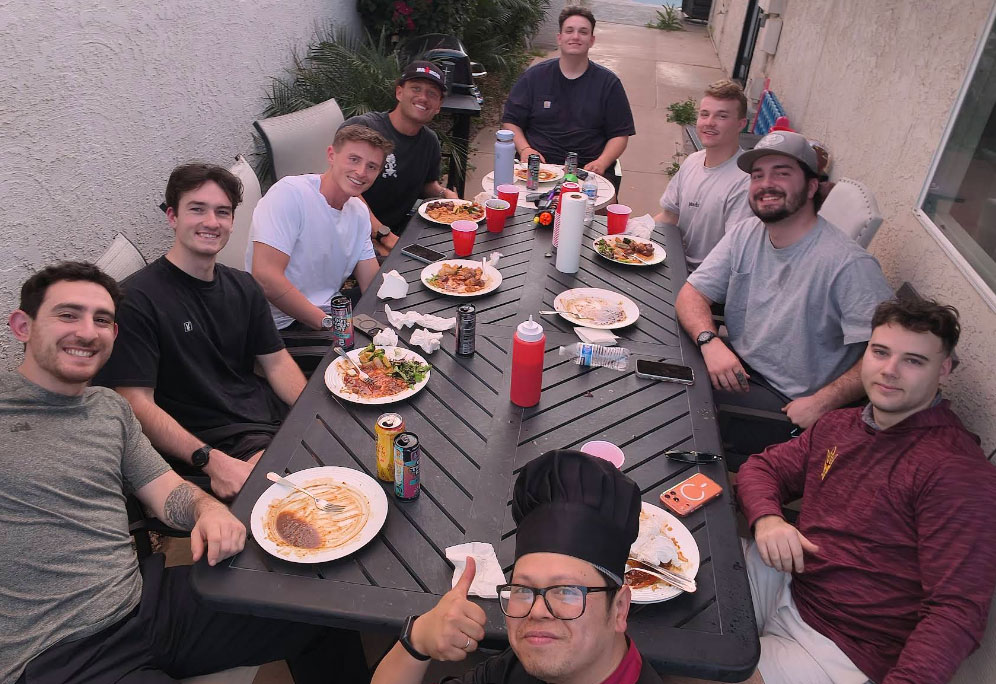
To recreate the hibachi experience at home, you need more than just a standard grill. The flat-top griddle is the star of the show. Here is what you will need:
A blackstone griddle or a portable butane-powered teppanyaki grill works perfectly. If you have an outdoor propane grill, you can purchase a flat-top insert. For indoor cooking, a large electric griddle or a cast-iron skillet can suffice, but the experience is best with a dedicated flat surface. Ensure the cooking surface is large enough to cook multiple items at once.
Hibachi chefs use specialized spatulas (often metal with a straight edge), squeeze bottles for oil and sauces, and a spray bottle for cleaning. You will also need a pair of long tongs, a sharp chef’s knife, and a cutting board. For the theatrical element, consider a small propane torch to create flames (safely) or a squeeze bottle of water for steam effects.
Arrange your ingredients in small bowls around the griddle: sliced meat, diced vegetables, cooked rice, eggs, and sauces. Keep a bowl of oil, a container of soy sauce, and a bottle of sesame oil nearby. Place a large trash bin beside you for quick cleanup between courses. If you are outdoors, ensure the grill is on a stable, non-flammable surface.
The quality of your ingredients makes or breaks the hibachi experience. Freshness and proper preparation are key.
For steak, choose ribeye or sirloin for tenderness and marbling. Slice it thinly against the grain before cooking. Chicken thighs offer more flavor and moisture than breasts. Shrimp should be deveined but left with tails on for the classic presentation. You can also include scallops, salmon, or tofu for variety. Marinate proteins lightly in a mixture of soy sauce, garlic, and ginger for 15–30 minutes.
Classic hibachi vegetables include zucchini, yellow squash, onions, mushrooms, and bean sprouts. Cut them into uniform bite-sized pieces. Garlic, ginger, and scallions are essential for flavor. For the famous "hibachi onions," slice them into thin rings and separate them.
Day-old white rice works best for fried rice because it is less sticky. You will need eggs, frozen peas and carrots, and a splash of soy sauce. For yakisoba, use fresh ramen noodles or stir-fry noodles, and season with a sweet-savory sauce.
No hibachi meal is complete without dipping sauces. The most common are ginger sauce (creamy, tangy), yum yum sauce (a pinkish sauce made from mayo, ketchup, and garlic), and a simple soy-based ponzu. You can make these at home or purchase them pre-made from a specialty store. Hibachi AZ offers premium sauce packs that replicate the authentic steakhouse flavor.
Cooking hibachi at home is about timing, heat control, and a bit of flair. Follow these steps for a seamless process.
Heat your griddle to medium-high (around 375°F). Once hot, drizzle a thin layer of vegetable oil and spread it with a spatula. The oil should shimmer but not smoke. If it smokes, reduce the heat.
Start with the steak or chicken, as they need the longest cooking time. Place the meat on the hottest part of the griddle, season with salt and pepper, and cook without moving it for 2–3 minutes to get a good sear. Flip and cook to desired doneness. For shrimp, cook them quickly, about 1–2 minutes per side, with a splash of soy sauce and garlic butter.
Push the cooked meat to the side. Add a little more oil to a clear area, then crack an egg directly onto the griddle. Scramble it quickly, then add the rice, chopped vegetables, and a drizzle of soy sauce. Toss and stir-fry for 3–4 minutes until the rice is coated and slightly crispy. A classic hibachi trick is to create a "rice volcano" by shaping the rice into a mound and making a well in the center for the egg.
Cook vegetables last, since they release moisture. Add a small amount of oil, then toss in the vegetables. Season with garlic and a pinch of salt. Use a spatula to press them down for a char. Add a splash of soy sauce or sake for extra flavor.
If you are comfortable, try a few simple tricks. Use a squeeze bottle of water to create steam bursts. For the famous onion volcano, stack onion rings into a cone shape, pour a little oil inside, and carefully light it with a lighter (ensure no flammable items nearby). Always prioritize safety, and do not use excessive alcohol or aerosol sprays.
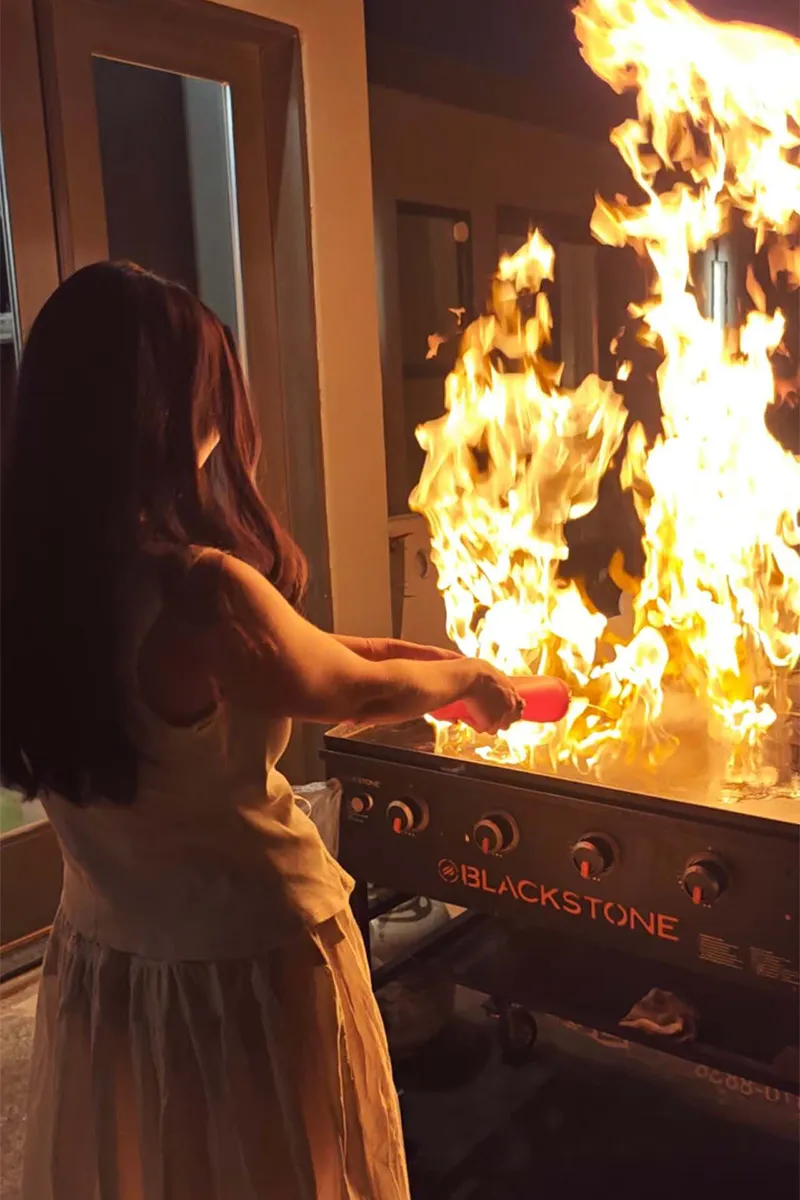
The ambiance is as important as the food. Transform your dining area into a hibachi lounge.
Dim the overhead lights and use string lights or lanterns to create a warm glow. If you are outdoors, a fire pit or tiki torches add to the mood. Set the table with chopsticks, ceramic plates, and small bowls for dipping sauces. Place a small dish of edamame or miso soup as a starter.
Play a playlist of Japanese instrumental music or upbeat modern pop. The chef (you) should engage with guests: ask them how they want their steak cooked, make jokes, and encourage participation. If you have children, let them help with simple tasks like flipping mushrooms.
If you want the full show without the stress, Hibachi AZ provides experienced chefs who come to your home with all equipment, ingredients, and a performance. This is especially ideal for large parties or if you want to enjoy the evening with your guests rather than spending it behind the grill.
Planning a hibachi at home can be daunting, especially if you are new to the cooking style. That is where Hibachi AZ steps in. As a premier service provider, Hibachi AZ offers everything from ingredient kits to full-service chef experiences. Their pre-portioned meal kits include premium cuts of steak, fresh seafood, vegetables, rice, and signature sauces, all delivered to your door. You can also rent a professional-grade griddle if you do not own one. For those who want to skip the cooking entirely, their mobile hibachi chefs bring the theater and taste directly to your party. With years of experience in Arizona, Hibachi AZ ensures that your at-home hibachi experience is authentic, delicious, and hassle-free. Visit their website or call to book your next event.
Hosting a hibachi at home is more than a meal—it is an event. With the right equipment, fresh ingredients, a bit of practice, and a fun attitude, you can recreate the excitement of a Japanese steakhouse in your own space. Whether you choose to cook yourself or hire a professional from Hibachi AZ, the key is to embrace the sizzle, the smoke, and the smiles. Gather your friends and family, fire up the griddle, and let the hibachi magic begin. Your ultimate guide is now complete—go make some memories.

Taste Life,
Food Exclusive Customization
Copyright © 2026 Hibachi AZ All Rights Reserved.
Copyright © 2026 Hibachi AZ All Rights Reserved.

